- Retrieve a paginated list of all system users (end users) in the organization via GET /systemusers
- Retrieve full profile details for a specific system user by their unique ID via GET /systemusers/{id}
- Create a new system user with profile details and access settings via POST /systemusers
- Update an existing system user's profile and access settings via PUT /systemusers/{id}
- Permanently delete a system user and revoke all their access via DELETE /systemusers/{id}
- Retrieve a paginated list of all user groups in the organization via GET /v2/usergroups
- Retrieve full details for a specific user group by its unique ID via GET /v2/usergroups/{id}
- Create a new user group for organizing users and managing bulk access via POST /v2/usergroups
- Partially update an existing user group's attributes via PATCH /v2/usergroups/{id}
- Permanently delete a user group and remove all its memberships and associations via DELETE /v2/usergroups/{id}
- Add or remove members from a user group via POST /v2/usergroups/{id}/members
- Retrieve a paginated list of all device policies configured in the organization via GET /v2/policies
- Retrieve the catalog of JumpCloud policy templates via GET /v2/policytemplates
- Retrieve full details for a specific device policy by its ObjectID via GET /v2/policies/{id}
- Create a new device policy from a template with configuration values via POST /v2/policies
- Fully replace an existing device policy's name, notes, and configuration values via PUT /v2/policies/{id}
- Permanently delete a device policy and unbind it from all associated systems via DELETE /v2/policies/{id}
- Retrieve a paginated list of all Cloud LDAP server configurations in the organization via GET /v2/ldapservers
- Retrieve full details for a specific Cloud LDAP server by its unique ID via GET /v2/ldapservers/{id}
- Partially update a Cloud LDAP server's user action settings via PATCH /v2/ldapservers/{id}
- Retrieve a paginated list of all IP address lists configured for conditional access via GET /v2/iplists
- Retrieve full details for a specific IP address list by its unique ID via GET /v2/iplists/{id}
- Create a new IP address list for use in conditional access policies via POST /v2/iplists
- Partially update an existing IP address list's name, description, or IP entries via PATCH /v2/iplists/{id}
- Permanently delete an IP address list and affect any referencing conditional access policies via DELETE /v2/iplists/{id}
- Retrieve a paginated list of all managed software applications in the organization via GET /v2/softwareapps
- Retrieve full details for a specific managed software application by its unique ID via GET /v2/softwareapps/{id}
- Create a new managed software application configuration for deployment via POST /v2/softwareapps
- Fully replace a software application's display name and settings via PUT /v2/softwareapps/{id}
- Permanently delete a software application configuration and unmanage it on all systems via DELETE /v2/softwareapps/{id}
- Retrieve a paginated list of all managed systems (devices) in the organization via GET /systems
- Retrieve full details for a specific managed system by its unique ID via GET /systems/{id}
- Update a system's display name, SSH settings, MFA configuration, and tags via PUT /systems/{id}
- Remove a system from JumpCloud management and trigger agent uninstall via DELETE /systems/{id}
- Run the erase command on a system to wipe its data via POST /systems/{system_id}/command/builtin/erase
- Run the lock command on a system to lock its screen via POST /systems/{system_id}/command/builtin/lock
- Run the restart command on a system via POST /systems/{system_id}/command/builtin/restart
- Run the shutdown command on a system via POST /systems/{system_id}/command/builtin/shutdown
- Retrieve a paginated list of all system (device) groups in the organization via GET /v2/systemgroups
- Retrieve full details for a specific system group by its unique ID via GET /v2/systemgroups/{id}
- Create a new system group for organizing devices and managing bulk configurations via POST /v2/systemgroups
- Fully replace a system group's configuration via PUT /v2/systemgroups/{id}
- Permanently delete a system group and remove all its memberships and associations via DELETE /v2/systemgroups/{id}
- Add or remove members from a system group via POST /v2/systemgroups/{id}/members
- Retrieve a paginated list of all SSO/SAML applications configured in the organization via GET /applications
- Retrieve full details for a specific SSO/SAML application by its unique ID via GET /applications/{id}
- Create a new SSO/SAML application with SAML configuration via POST /applications
- Fully replace an existing SSO/SAML application's configuration via PUT /applications/{id}
- Permanently delete an SSO/SAML application and remove all user access via DELETE /applications/{id}
- Retrieve a paginated list of available SSO application templates via GET /application-templates
- Retrieve full details for a specific application template by its ID via GET /application-templates/{id}
- Retrieve a paginated list of all commands configured in the organization via GET /commands
- Retrieve full details for a specific command by its unique ID via GET /commands/{id}
- Create a new command with script content and execution settings via POST /commands
- Fully replace an existing command's configuration via PUT /commands/{id}
- Permanently delete a command and cancel all its scheduled executions via DELETE /commands/{id}
- Retrieve a paginated list of all command execution results across all commands via GET /commandresults
- Retrieve paginated execution results for a specific command via GET /commands/{id}/results
- Delete a specific command execution result by its ID via DELETE /commandresults/{id}
- Retrieve uploaded files attached to a command via GET /files/command/{id}
- Run a command on specified or all bound systems by command ID via POST /runCommand
- Trigger execution of a command by its trigger name via POST /command/trigger/{triggername}
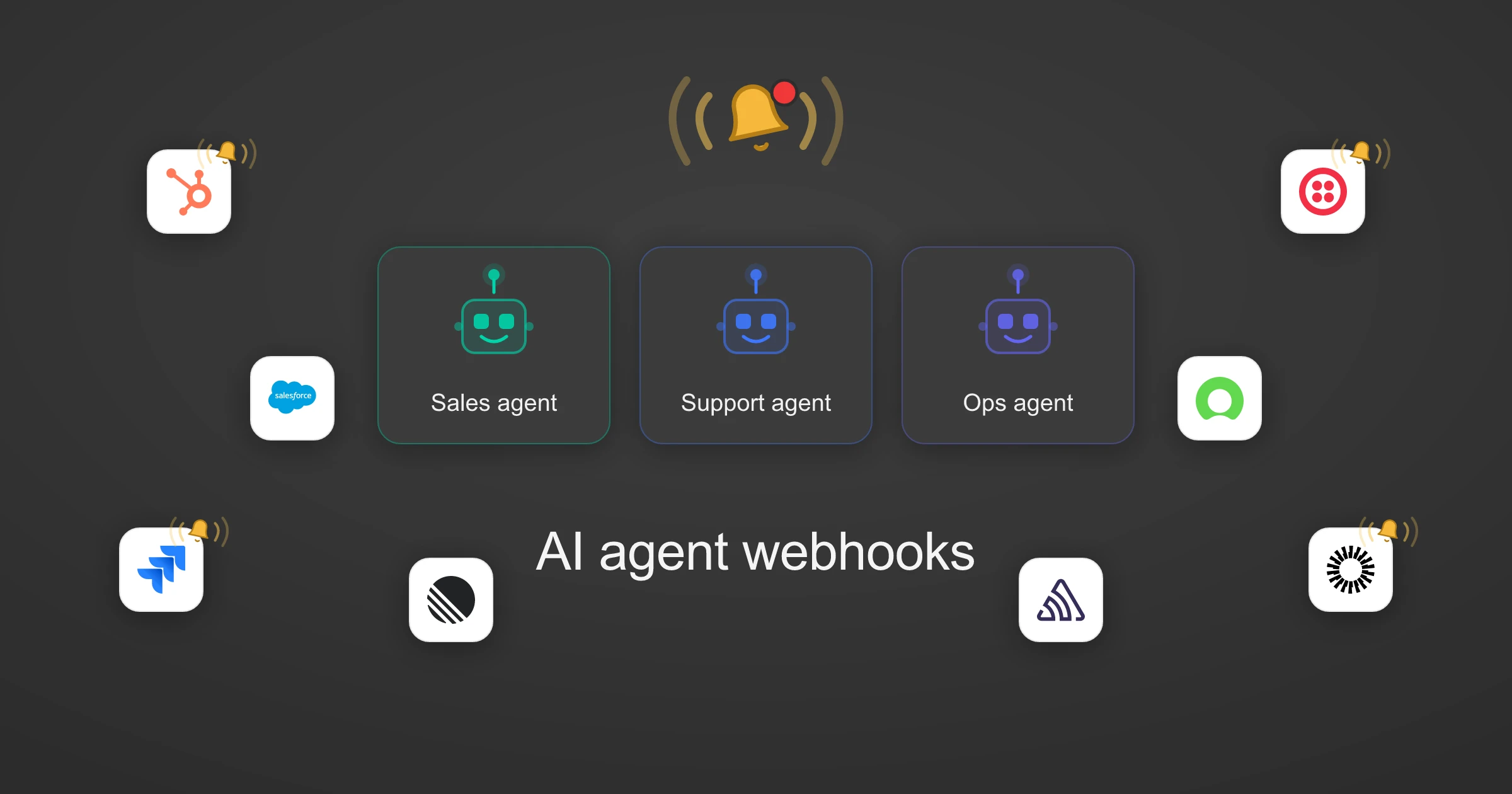
- Fires when a JumpCloud Insights Rule attached to a Webhook Channel matches a directory event. JumpCloud delivers a single fixed JSON schema for every rule, so this one generic handler receives every alert. The payload contains `type` (the event that triggered the rule, for example user_lockout), a `tags` array of key/value details, `channels.channel_object_ids` (the webhook channels the alert was sent to), and `organization_object_id` (the JumpCloud organization). Inspect `type` and `tags` to decide how to react. JumpCloud does not sign webhook deliveries, so this action forwards the raw payload without signature verification.
- Retrieve a paginated list of all organizations accessible to the current API key via GET /organizations
- Retrieve full details for a specific organization by its unique ID via GET /organizations/{id}
- Update an organization's settings, policies, and feature configuration via PUT /organizations/{id}
- Retrieve a paginated list of all Active Directory integrations configured for user and group synchronization via GET /v2/activedirectories
- Return the authenticated identity for the current JumpCloud connection. Maps to the StackOne IAM unified credentials schema. JumpCloud has no native /me endpoint — for service-account API keys the response contains only auth_type (name is null, since /organizations returns 403 for service accounts); the connected organization id is the "organization" field present on any JumpCloud record, and get_organization returns its details. auth_type is discriminated at the credentials-namespace level (OAuth vs API Key).
- List all user groups in the connected JumpCloud organization via GET /v2/usergroups, mapped to the StackOne IAM unified group schema. Returns group id, name, description, and type. Pages through every user group; page_size defaults to 25. System groups (device groups) are not included, since they are not identity groups.
- Retrieve a single JumpCloud user group by its group ID via GET /v2/usergroups/{id}, mapped to the StackOne IAM unified group schema. Optionally pass expand=["users"] to inline the group's members via GET /v2/usergroups/{id}/members.
- List the JumpCloud organizations accessible to the current connection via GET /organizations, mapped to the StackOne IAM unified organization schema. Returns one record for single-tenant connections; for Multi-Tenant Portal (MTP) connections returns all managed client organizations.
- Retrieve a single JumpCloud organization by its organization ID via GET /organizations/{id}, mapped to the StackOne IAM unified organization schema.
- Enumerate the resource_type values accepted by unified_list_resource_users on this connector. On JumpCloud the supported values are "group" (user group membership), "application" (SSO application user bindings), and "system" (device login bindings). Call this first to discover what resource-scoped permission queries this provider supports.
- List the users bound to a JumpCloud user group, SSO application, or system, mapped to the IAM unified user schema with a resource-scoped role entry per user. Pages through every member; page_size defaults to 25. Pass resource_type ("group", "application", or "system") and resource_id.
- List unified roles configured in JumpCloud via the Roles API.
- Retrieve a single JumpCloud role by its role ID via the Roles API.
- List all system users in the connected JumpCloud organization via GET /systemusers, mapped to the StackOne IAM unified user schema. Returns identity, status (enabled/disabled/pending), email, and name. Pass expand=["roles"] to include synthesized device-access roles. Uses skip/limit offset pagination (100 per page).
- Retrieve a single JumpCloud system user by their JumpCloud user ID, mapped to the StackOne IAM unified user schema. Optionally pass expand=["groups", "roles"] to inline user-group memberships and synthesized device-access roles. Returns identity, status, email, name, and MFA.
No matching actions